
Oil and particle analysis
Particle counts are taken from a sample of the system and reported using the ISO 4406 cleanliness code. The gap between the current state and the target becomes concrete.
In hydraulic and oil-based systems, particle and water contamination is a major cause of pump, valve and cylinder failure. Tulpar starts by measuring the contamination, then designs a filtration solution matched to the system’s actual needs. Process engineering and large-scale, plant-specific designs are carried out by our in-house expert team.
Most problems that slow production or wear equipment early begin with small particles in the system. Field data shows that more than 85% of hydraulic system failures are caused by oil contamination. By the time they are noticed, parts often need replacing and production has stopped.
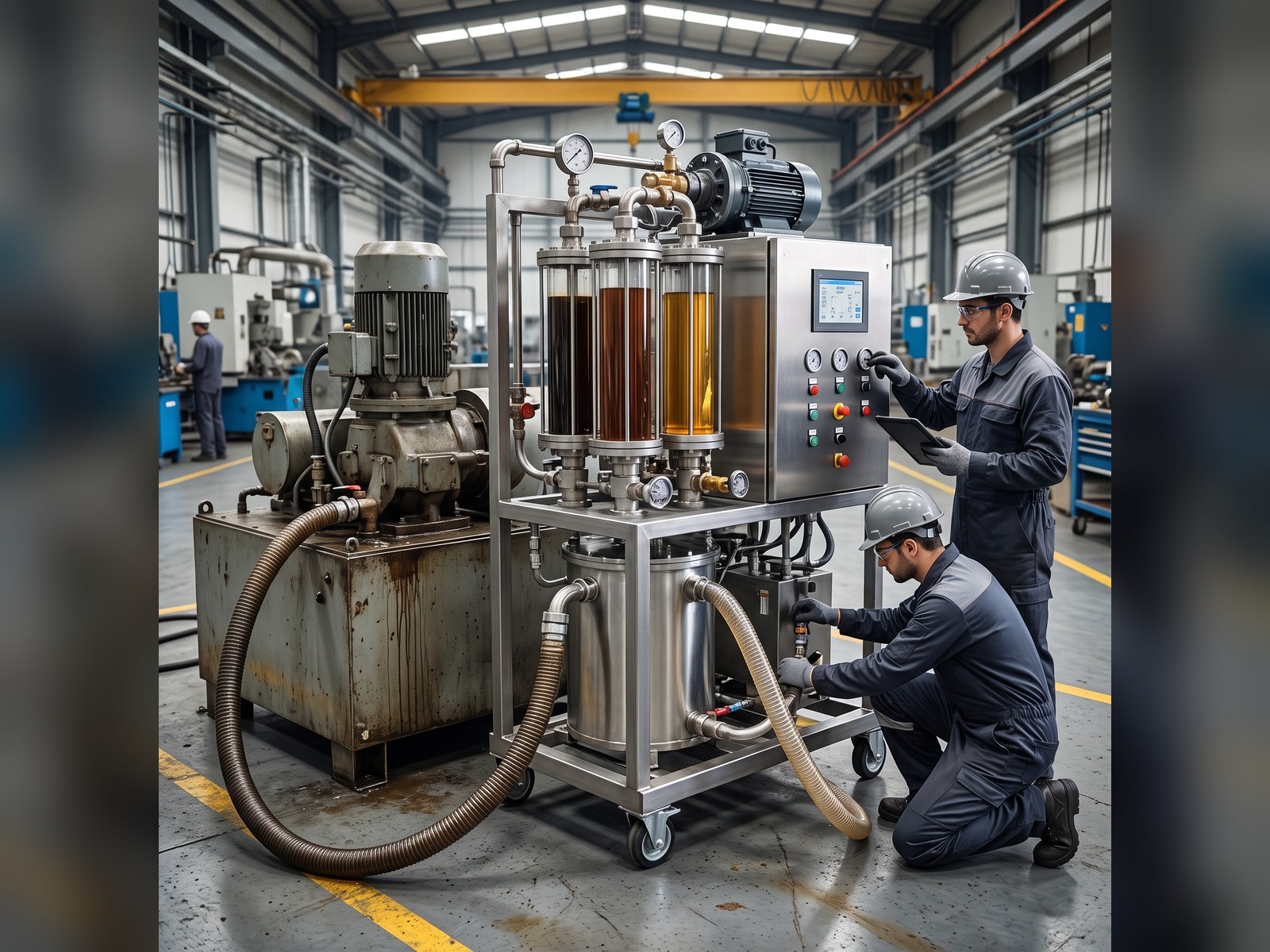
Every project follows the same sequence, but each system gets its own diagnosis.
Particle counts are taken from a sample of the system and reported using the ISO 4406 cleanliness code. The gap between the current state and the target becomes concrete.
The required filtration rating, flow and permitted pressure drop are calculated together. The filter is chosen by micron rating and performance class.
Filters are placed in the existing line with service access and maintenance time in mind. Bypass and measurement points are added where needed.
A change schedule is set using differential pressure indicators and periodic analysis. We recommend deciding based on data rather than a fixed calendar.
For oil-cleaning units we draw on the product and field experience of our filtration partner Pro Filtre. The Pro-60 and Pro-240 models are designed to clean long-used, contaminated oil to close to 100%.
Process engineering and large-scale, plant-specific designs are carried out by our in-house expert team. We combine our partner’s product technology with our own engineering design, so the solution rests on both field-proven hardware and your system’s actual needs.
profiltre.com.tr ↗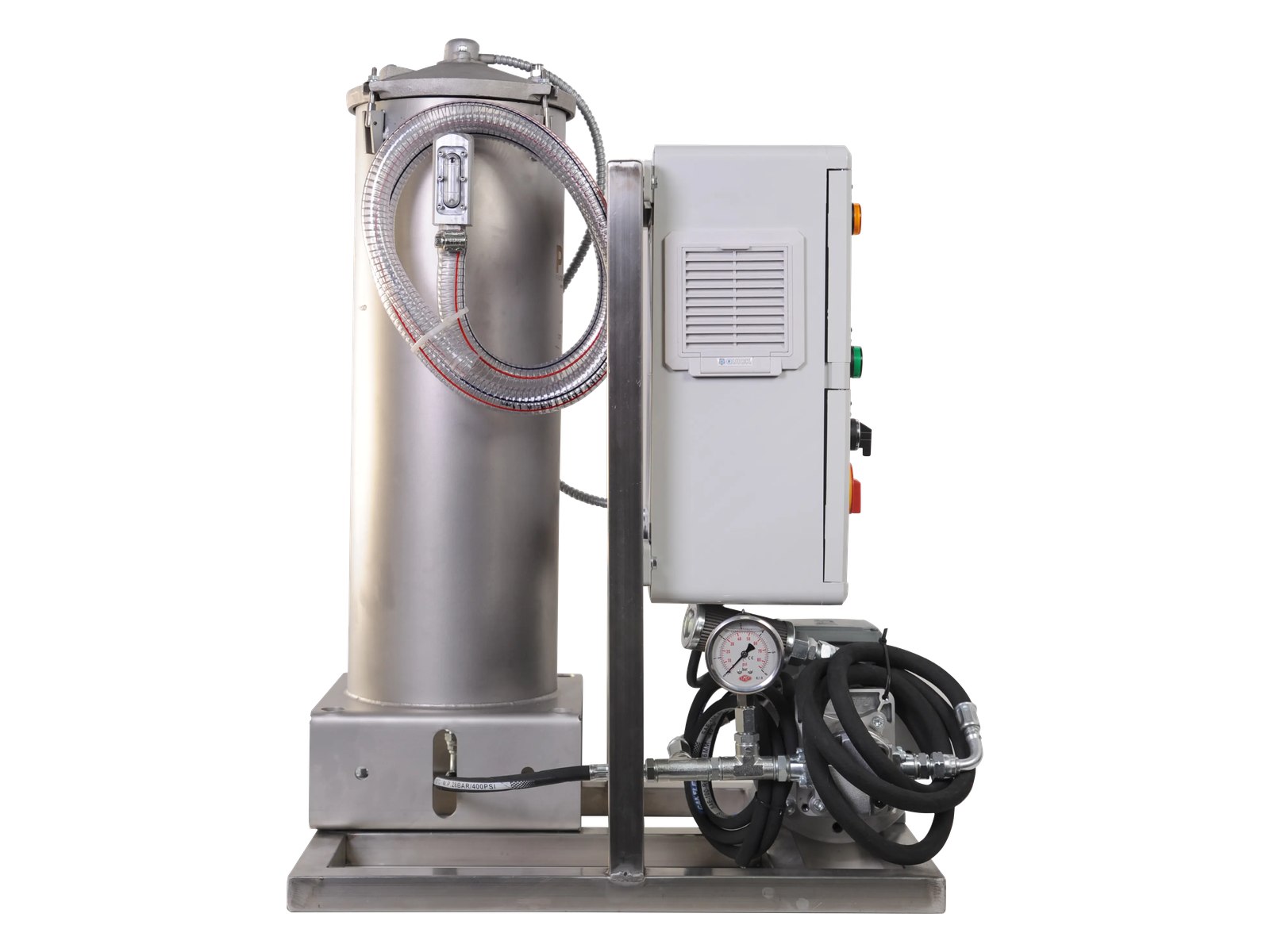
We publish our filtration references only with customer permission and verified case information. No reference is added until the company name, logo, sector and work done are verified.
This section is where we will add the real field work we have completed, with its scope and measured results.
This case illustrates our method; it is not real customer data. It will be replaced with approved real field work as it becomes available.
Frequent failures and unplanned downtime caused by contaminated oil in hydraulic and oil-based systems.
Through on-site analysis we identified the source of contamination; we proposed a bypass oil cleaning unit connected to the system and a maintenance schedule.
Changes in downtime frequency and maintenance cost will be measured in real field work and published here.
The output of each stage is the input of the next.
Oil samples are taken and operating conditions and failure history are collected.
We identify where the contamination comes from and which components it affects.
We propose the filtration configuration, installation point and service interval.
Results are compared using the same measurements, and adjustments are made if needed.
Every document is data you can use for your next decision.
We work on hydraulic, lubrication and cooling systems, and on dust and particle control in production lines. Suitability is assessed in the first analysis.
Taking an oil sample from the existing system and running a particle analysis is usually the lowest-cost starting point. The result shows which solution is needed.
Differential pressure readings and analysis results should be read together. Changing on a fixed schedule can waste money or leave you late.
Yes. We design extraction and filtration based on the dust or particle source in the production line.
Test and monitoring infrastructure to see failures early and plan maintenance.
Go to page →Automating repetitive work on production lines with robotic systems.
Go to page →Sales and market-entry support to take your product to European markets.
Go to page →Share your system details and we will plan the first analysis together.